
NEWS
Categories List
Recent Posts
 Peptide Factory: Taking sustainable development as the core, fulfilling the responsibility and commitment of beauty ingredients
 Peptide factory: Connecting the upstream and downstream of the industrial chain, building a new ecological synergy of beauty raw materials
 Peptide Factory: From raw materials to skincare experience, making scientific peptide effects within reach
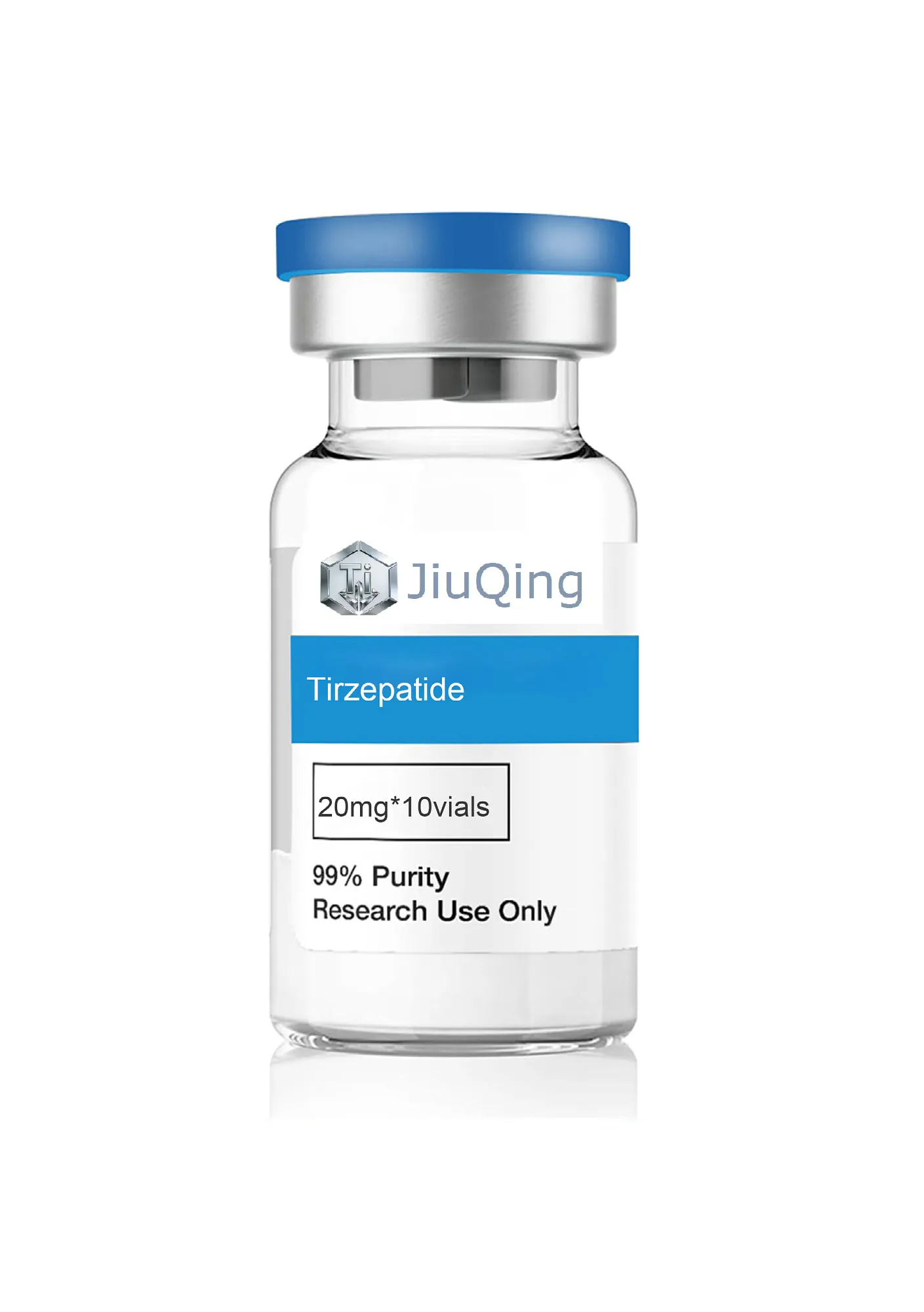
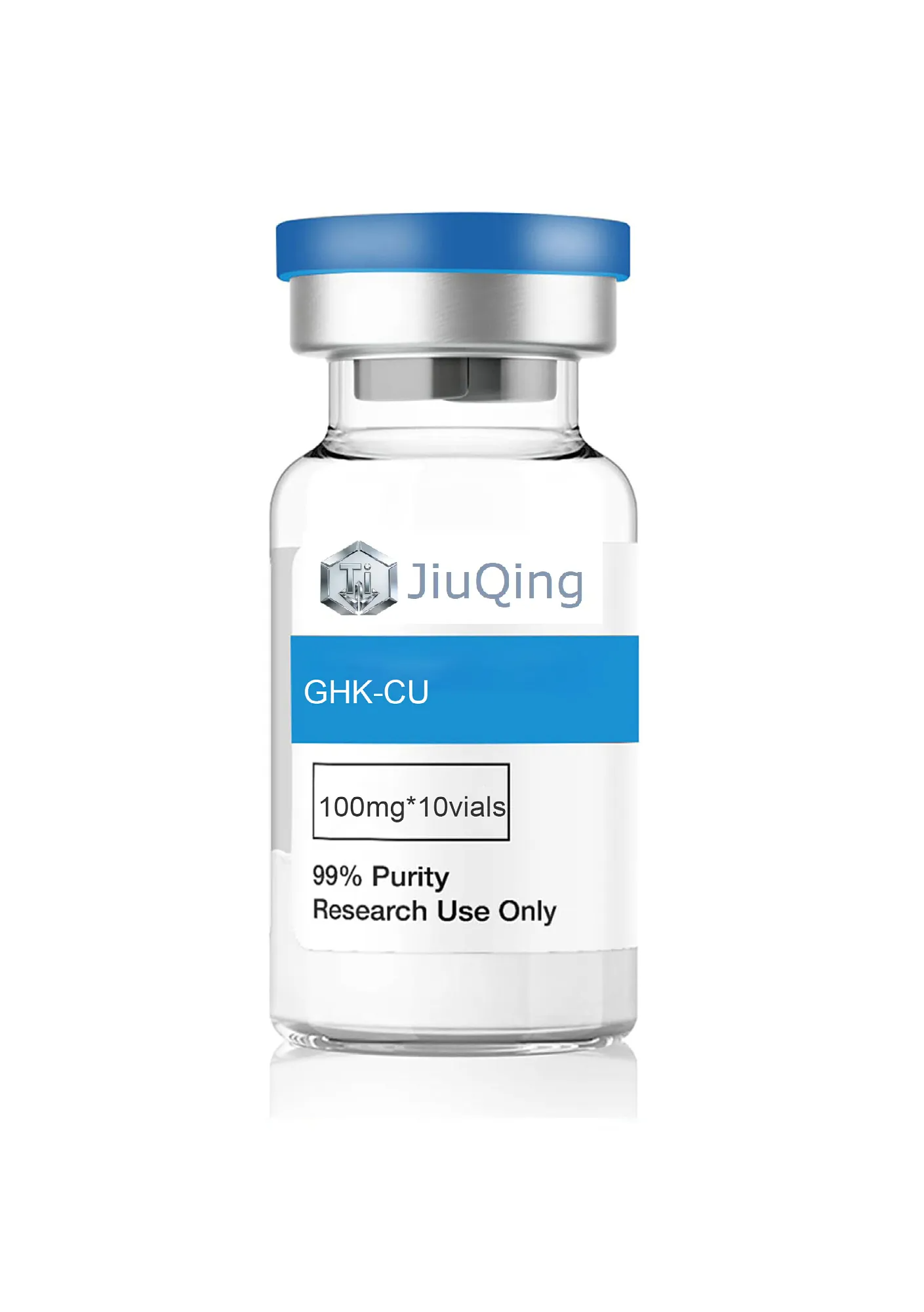
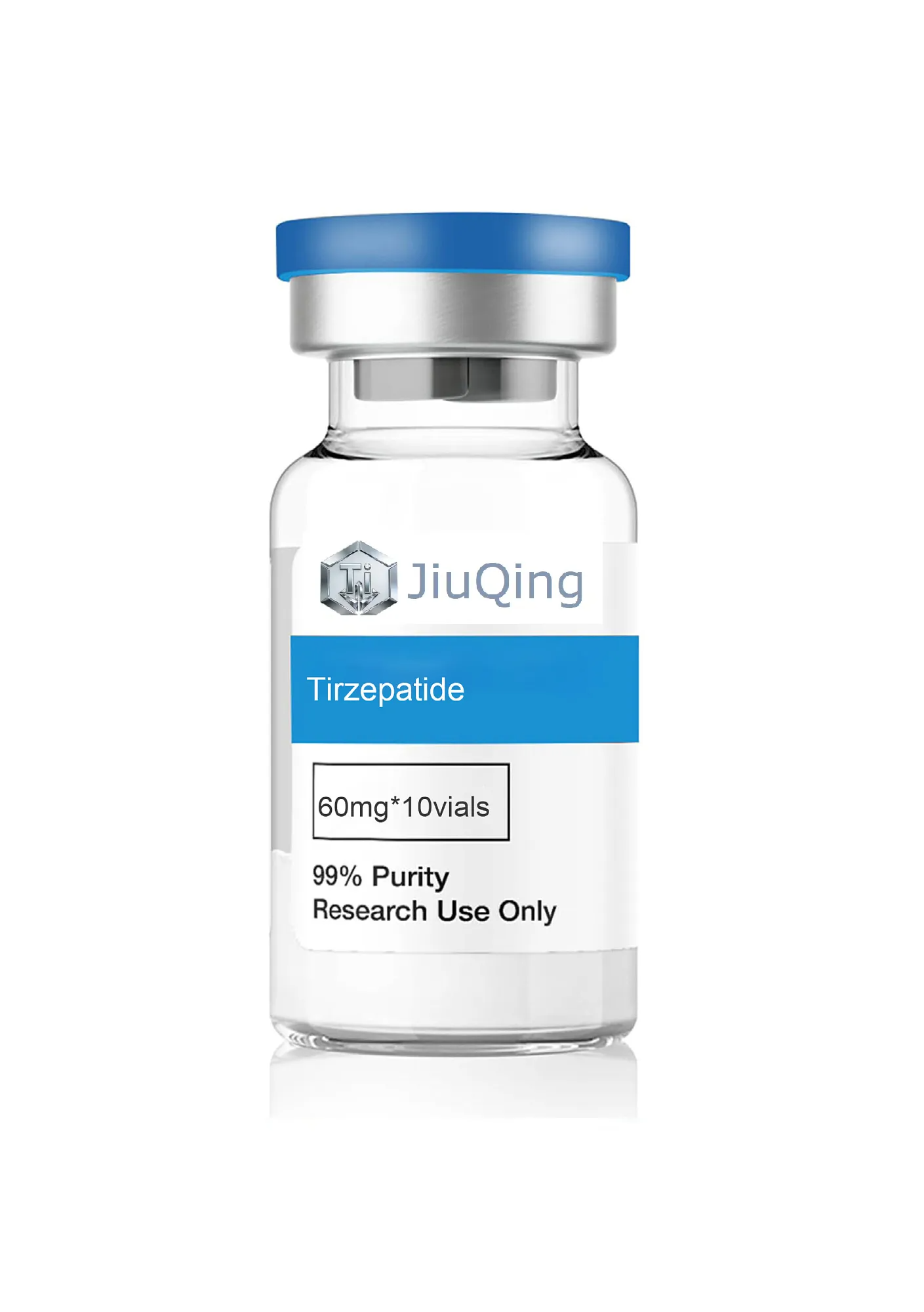
Peptide factory: Connecting the upstream and downstream of the industrial chain, building a new ecological synergy of beauty raw materials
In the industry chain of the beauty industry, peptide factories are not isolated production links, but core hubs connecting upstream raw material supply, midstream brand manufacturing, and downstream market consumption. It is linked by technology and supported by quality, and through deep collaboration with various links in the industry chain, it connects the entire chain from raw material research and development to product implementation, injecting sustained momentum into the high-quality development of the industry and efficiently transmitting the value of peptide skincare in every link.
The collaboration between peptide factories and upstream has laid the "first cornerstone" of raw material quality. The birth of high-quality peptide raw materials began with the selection of source substrates and the stability of the supply chain. Professional peptide factories are well aware of the importance of upstream raw materials and have established long-term strategic partnerships with global high-quality substrate suppliers. They not only conduct multiple audits on the purity, activity, and safety of raw materials, but also participate in the research and development optimization of substrates. Together with suppliers, they explore more environmentally friendly and efficient raw material extraction technologies, jointly develop industry recognized substrate standards, and ensure the quality stability of peptide raw materials from the source. At the same time, the peptide factory effectively avoids the risk of raw material shortage caused by market fluctuations by establishing a large-scale procurement system and emergency reserve mechanism, ensuring the production continuity of downstream brands, and transforming the resource advantages of the upstream industry chain into quality advantages of end products.
In the midstream brand cooperation stage, peptide factories break down supply and demand barriers through "customized collaboration". There are differences in the positioning, formula, and market audience of different beauty brands, and the demand for peptide raw materials also presents diversified characteristics - some brands require high-purity single peptide raw materials, while others pursue the synergistic effect of compound peptides; Some focus on high-end cinema products, while others focus on the mass skincare market. Professional peptide factories have established flexible collaborative models to address these differences: providing full process support for brands from raw material selection, formula adaptation to small-scale, pilot, and mass production, and even dispatching technical teams to the brand's R&D center to jointly overcome formula challenges. For example, for a brand that focuses on anti-aging sensitive skin, the peptide factory collaborates with its R&D team to optimize the ratio and concentration of composite peptides, ensuring both anti-aging efficacy and mildness; Customize highly active exclusive peptide raw materials for a cinema brand that pursues efficiency, enhancing the core competitiveness of the product. This deep collaboration allows peptide raw materials to perfectly match brand products, helping brands shorten research and development cycles, reduce trial and error costs, and achieve rapid product implementation.
Extending to downstream markets, peptide factories promote industry awareness and consumption upgrading through "value synergy". The professionalism of peptide ingredients is strong, and ordinary consumers have limited understanding of their skincare mechanisms and efficacy differences, which has become a pain point for the promotion of peptide containing products in the market. Professional peptide factories take the initiative to take on the responsibility of "science popularization empowerment", by jointly organizing industry seminars with brands, publishing peptide skincare whitepapers, and sharing science popularization content on social platforms, etc., to convey scientific knowledge of peptide raw materials to the market and help consumers establish correct cognition. At the same time, the peptide factory also establishes an information exchange mechanism with downstream channel partners, collects feedback from end consumers, and timely feeds back consumers' skincare pain points and market trends to upstream R&D and midstream production, forming a closed loop of "market demand → R&D adjustment → product optimization → market feedback". For example, through channel feedback, it was found that consumers' demand for "quick repair" had surged. Peptide factories quickly developed targeted repair peptide raw materials, collaborated with brands to launch related products, accurately matched market demand, and achieved value win-win in all links of the industry chain.
The collaborative value of the peptide factory's industrial chain is more reflected in the co construction of industry standards and the win-win of the ecosystem. As a core force in the industry, professional peptide factories actively participate in the formulation of industry standards, transforming their production experience and technical specifications into industry universal standards, and promoting the development of the peptide raw material industry towards standardization and normalization. At the same time, the factory drives the progress of upstream and downstream small and medium-sized enterprises by opening up technology platforms and sharing research and development resources - providing technical guidance to upstream small and medium-sized substrate suppliers and improving their product quality; Provide low-cost small batch customization services for midstream start-up brands to help them start their development. This collaborative model of "co construction and sharing" not only enhances the efficiency and competitiveness of the entire industry chain, but also builds a mutually beneficial and win-win industrial ecosystem, allowing peptide skincare technology to be rapidly popularized.
Nowadays, in the trend of pursuing "efficient collaboration and value symbiosis" in the beauty industry, the pivotal role of peptide factories in the industry chain is becoming increasingly prominent. It is no longer a simple raw material producer, but a "binder" and "booster" of the industrial chain. By empowering upstream, midstream, and downstream, it connects the entire chain from technology to products, from products to consumption, and maximizes the value of peptide ingredients at every link.
In the future, peptide factories will continue to deepen industrial chain collaboration and explore more possibilities for cross disciplinary cooperation - jointly tackling cutting-edge technologies with research institutions, practicing green production with environmental protection enterprises, and jointly building an efficient circulation system with channel platforms. Through comprehensive and multi-level collaborative innovation, the peptide factory will promote the development of the beauty industry chain towards higher efficiency, quality, and sustainability, allowing more consumers to benefit from the scientific achievements of peptide skincare, and enabling the entire industry to achieve new breakthroughs in collaborative symbiosis.
Leave A Reply